Why Your CRM Is The Wrong Place To Start
Systems
Why Your CRM Is The Wrong Place To Start
Most people set up a CRM before they have anything to put in it. Here's why that's backwards and what to build first.
April 27, 2026 · 6 min read
I bought my first CRM in 2018. Before I had a single paying client. Before I had a lead magnet. Before I even knew what I was actually selling.
It sat empty for eight months.
I'd log in on Sundays, drag a couple of "maybe" contacts from column A to column B, and feel productive for about eleven minutes. Then I'd close the tab, buy another $47 course, and start the whole cycle over again the next weekend. Y'all, I was busy. I wasn't in business.

Everyone tells you to "get your CRM sorted first." They're wrong.
A CRM is a container. Containers are useless without something to put in them. If you don't have a lead source, an offer people actually want, and a repeatable way to move a stranger toward a buying decision, your CRM is just a very expensive spreadsheet that makes you feel like you're doing something.
I've watched smart, capable women spend full weekends color-coding pipeline stages for leads that don't exist. They rename fields. They build automations for appointments they haven't booked yet. They're not building a business. They're decorating one. And I get it, because I did the exact same thing for almost a year before I caught myself.
"A CRM doesn't create customers. It stores them. Big difference."
The reason this matters so much for you, specifically, is that you probably don't have 40 hours a week to spend on your business. You've got a full-time job, a family, maybe a caregiving load, and two 15-minute breaks. If you burn one of those breaks moving imaginary contacts through imaginary stages, that's a break you don't get back. The tool didn't fail you. The order of operations did. If you're not sure where you stand right now, it's worth working through the Serve to Scale Workbook before you buy another piece of software.
What actually needs to come first
One clear offer. A specific price, a specific duration, a specific deliverable, and one very specific transformation. If you can't finish the sentence "I help ___ do ___ so they can ___," you don't have an offer yet. You have an idea.
One traffic source. Pick the platform where your people already hang out and post there consistently. One. Not five. I wrote more about this in One Platform, Not Five: The Quiet Traffic Strategy.
One honest conversion path. Opt-in → short email sequence → call or checkout. That's it. If it takes you a whiteboard to explain it, it's too complicated for a human to walk through.
One follow-up rhythm. Three touches beats zero touches. Most sales I've lost, I lost because I didn't follow up, not because the person said no.
One simple nurture. A weekly email. Not a 22-email drip sequence you'll never finish writing. Your subscribers don't want a novel. They want to hear from you regularly.
Once those five things exist and are working — even messily — then and only then does a CRM become the right tool. Before that, it's a distraction dressed up as progress. This is exactly what the Serve to Scale Workbook was built to walk you through, in the order that actually works.

Here's the part nobody wants to admit. Most business software gets bought out of anxiety, not strategy. We buy the CRM because we don't know what to do next and clicking "start free trial" feels like forward motion. It isn't. It's a coping mechanism with a monthly bill attached.
I know because I was spending $300–$700 a month across seven different tools before I consolidated. Seven. For a business with about 40 people on the email list. That math doesn't math, and nobody in any of the Facebook groups I was in would say that out loud.
A quick gut check before your next software purchase
Ask yourself three questions. Do I have a person this tool is meant to serve right now, today? Do I have a workflow this tool will replace or speed up? Could I do what this tool does manually for the next 30 days without dying? If the answers are no, no, and probably, put the credit card away. You're not ready for the tool. You're ready for clarity.
I looked up Google Trends data on "best CRM for small business" a while back and the search volume is wild. Thousands of people a month are hunting for the right container before they've figured out what they're putting in it. You're not behind. You're just standing in the same line a whole lot of people are standing in.
$27 · Self-paced
The Offer Ladder Audit
Map your client journey and audit your offer ladder end to end. Find the step where people fall out, and fix it before you build anything else.
Build the pipeline, then the software
Your CRM should show up after you've proven the path manually. After you've had five real conversations that went somewhere. After you've closed two sales by hand, awkwardly, using a spreadsheet and your own memory. That's when a CRM stops being a distraction and starts being the quiet upgrade it's supposed to be. You can also read The Stack I Finally Consolidated (And Why) if you want to see what my tools looked like before and after.
Don't buy tools for the business you wish you had. Build the business you actually have, then let the tools come meet you. The CRM will still be there when you're ready. I promise.

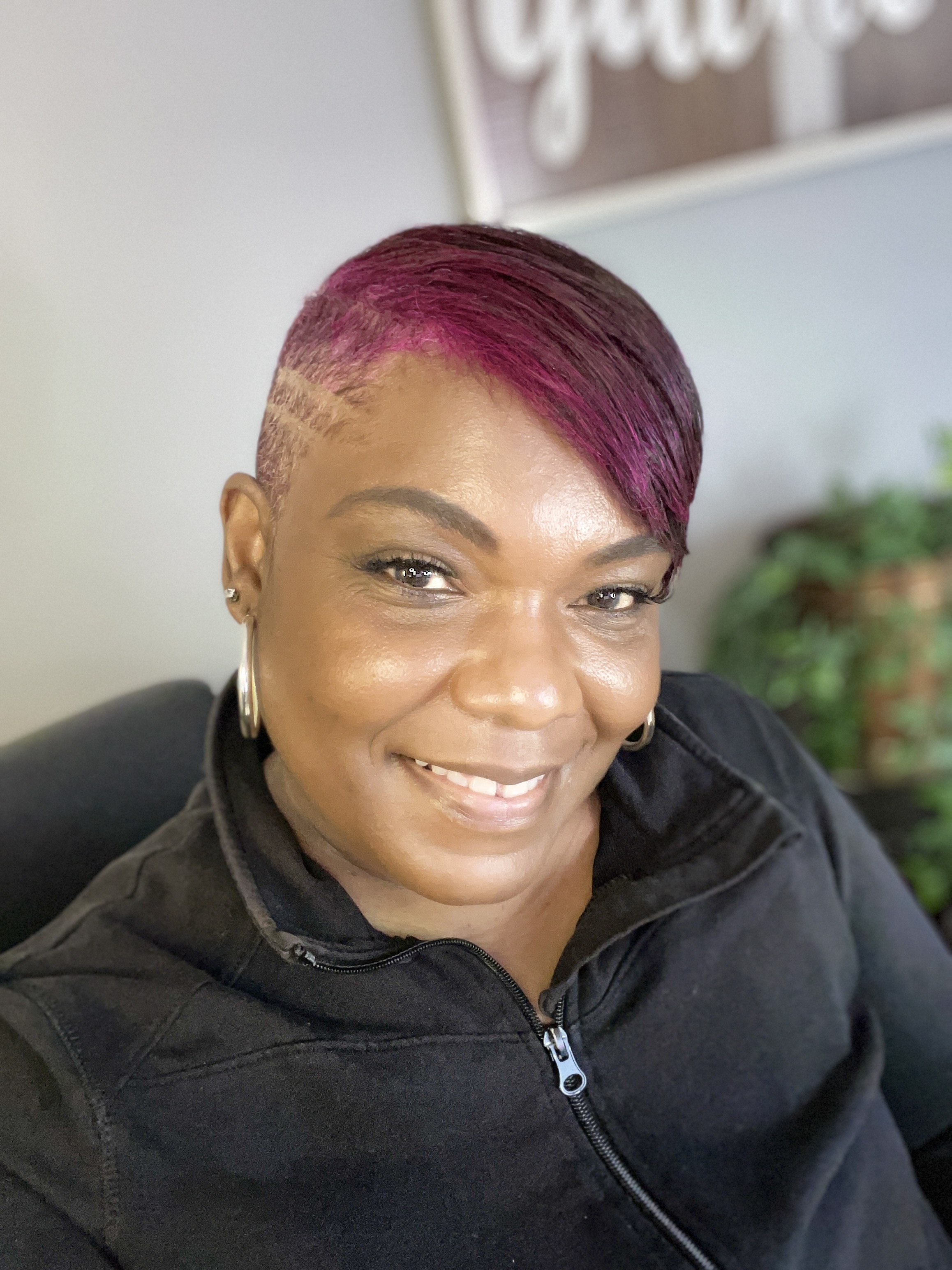
Founder · Warkry.com · Online Business Strategist
I'm Karena — an introvert who loves to build things, devour good books, eat chocolate and seafood (just not together, please), and help people build businesses that actually work without working them into the ground.
I started WarKry Consulting Solutions in January 2018 while working full time in high-level management, running four departments. I was building on two 15-minute breaks and a lunch hour. Newly married. A new blended family. Deeply embedded in my local ministry. In March, two months in, I lost my dad.
The next four years were not a straight line. My job and my family had to come first, so the business went quiet for stretches at a time. I would start, then stop, then start again. What never went quiet was knowing I was called to build this. Over those same four years I spent more than $20,000 on coaches, consultants, and "business in a box" programs, and most of it did not work.
What I got back was hard-won clarity. I learned how to navigate, how to pivot, and how to build something real. That is what WarKry does now. We provide strategic solutions that impact.